
For most working professionals, the MBA dilemma isn’t about ambition. It’s about arithmetic. A demanding job, a family, a mortgage, a team that depends on you – and somewhere in that equation, a postgraduate degree is supposed to fit. Most programmes respond to this by offering “flexibility”, which usually means a blended schedule of some in-person and some online sessions, leaving students caught between two formats without fully belonging to either.
Manchester Metropolitan University’s MBA takes a different approach – it’s called HyFlex.
Same experience, different attendance
“We don’t change the delivery style – we change the attendance mode,” explains MBA Director Dr Anastasia Kynighou.
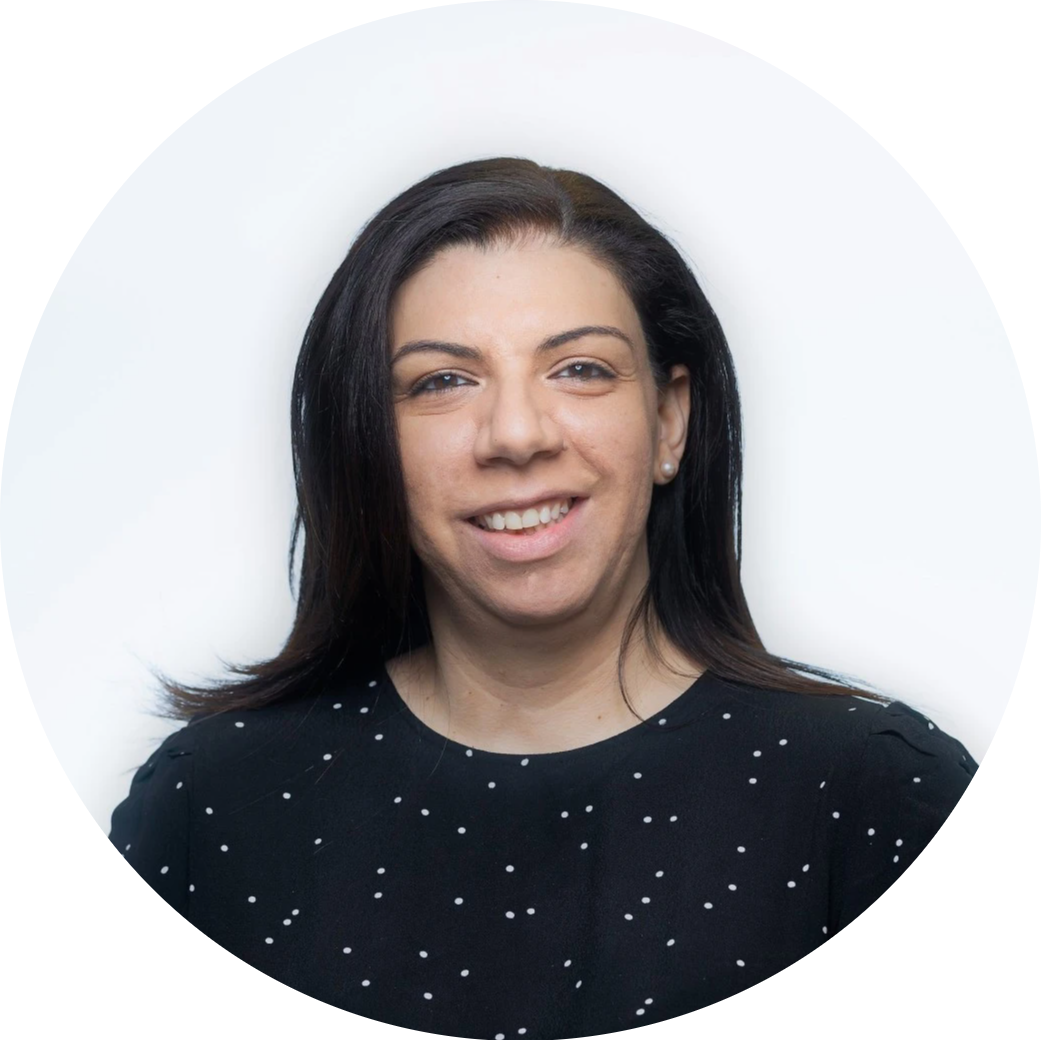 The model is called HyFlex (meaning Hybrid Flexible) and unlike conventional blended learning, it doesn’t split the cohort between those in the room and those on a screen. Every student accesses the same learning experience. The only variable is how they choose to show up.
This might sound like a subtle technical detail. In practice, it changes everything about how students engage with the programme. There’s no second-tier online experience, no catching up on recordings, no feeling of having missed the real conversation. Whether you’re sitting in a Manchester Met seminar room or joining remotely from a hotel room between meetings, you’re in the same room, so to speak.
Deep focus, not fragmented learning
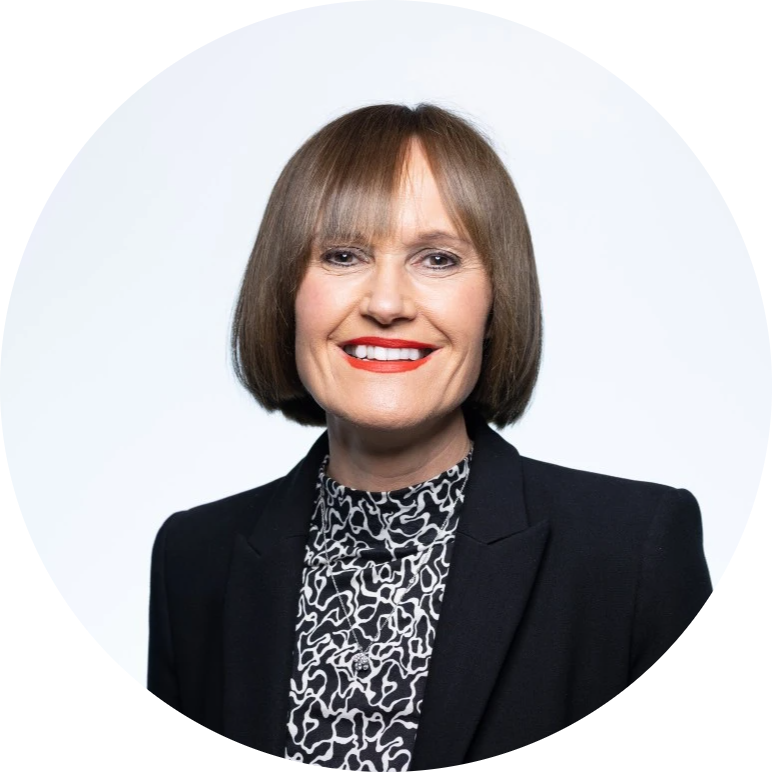 The format is designed around immersion. Teaching is delivered across ten modules over two years and each module runs across three consecutive days. It’s a structure that encourages deep focus rather than fragmented weekly contact hours.
“What this means is that the students have a really immersive experience, a real deep dive into the learning,” says Emma Holt, MBA Programme Leader.
For MBA student Billy Cartwright, who had spent more than 15 years at the same organisation before starting the programme, that depth translated quickly into real-world impact.
“You can be a little bit closed off in your perspectives in certain topics that you’ve been working on,” he reflects. “The MBA has really helped me so far because it’s allowed me to open my mind to different ways of thinking.”
Within his first year, he was already applying frameworks from the programme to live business problems and even passing that knowledge on to colleagues. “I was impressed by how quickly I could see that benefit.”
Built for the world you’re leading in
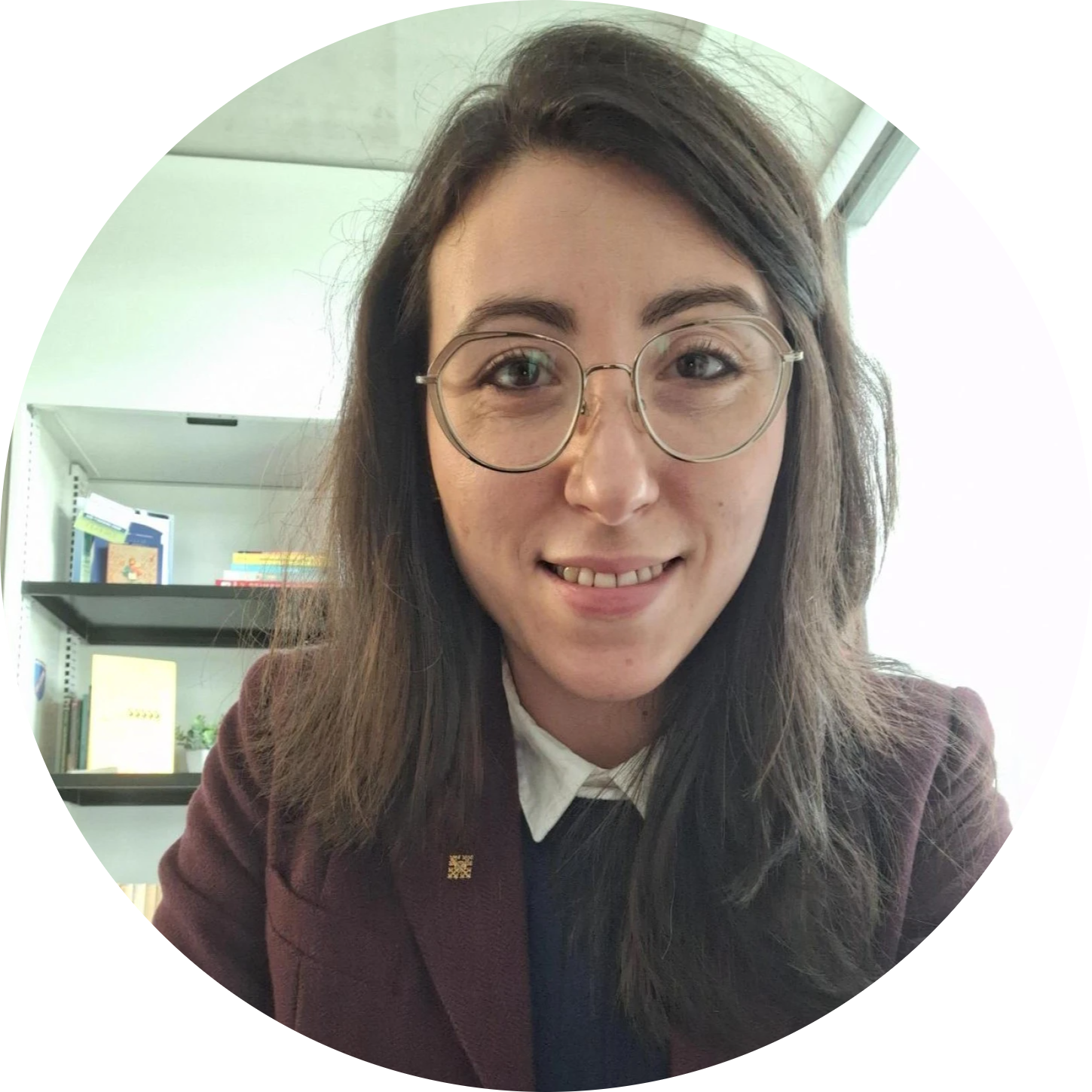 That speed of application is no accident. Every module features guest speakers from industry, bridging theory and practice from the first session. Sustainability is woven throughout and integrated into finance, operations, HR, and beyond. Digital leadership and AI are embedded from induction, giving students both the vocabulary and the confidence to lead in environments that are, as Dr Carmen-Elena Dorobat, Senior Lecturer in Strategic Management, puts it, “constantly disrupted by different new players, new regulations, and changing geopolitical features.”
The result, as alumnus Oliver Reeves describes it, is a “360-degree view” of business – the ability to hold the big picture and the granular detail at the same time.
For professionals who’ve been doing that mental arithmetic and concluding the numbers don’t add up, Manchester Met’s MBA might be the programme that finally changes the calculation.


