
Most MBA candidates prepare their documents carefully. But how many rehearse the interview itself? We asked admissions experts from Georgia State University and IE University what candidates underestimate most, and how to get ready for it.
Transcripts, test scores, essays, recommendation letters: by the time an interview invitation comes in, most candidates have spent weeks perfecting their paperwork. The interview itself often gets far less practice.
So we asked two admissions experts what candidates underestimate most: Bhumi Patel, Graduate Recruitment Manager at Georgia State University’s Robinson College of Business (US), and Adam Santana, Associate Director for Master’s Programmes at IE University (Spain). Their answers point to three blind spots, and each can be fixed with a little rehearsal.
Blind spot 1: Your story
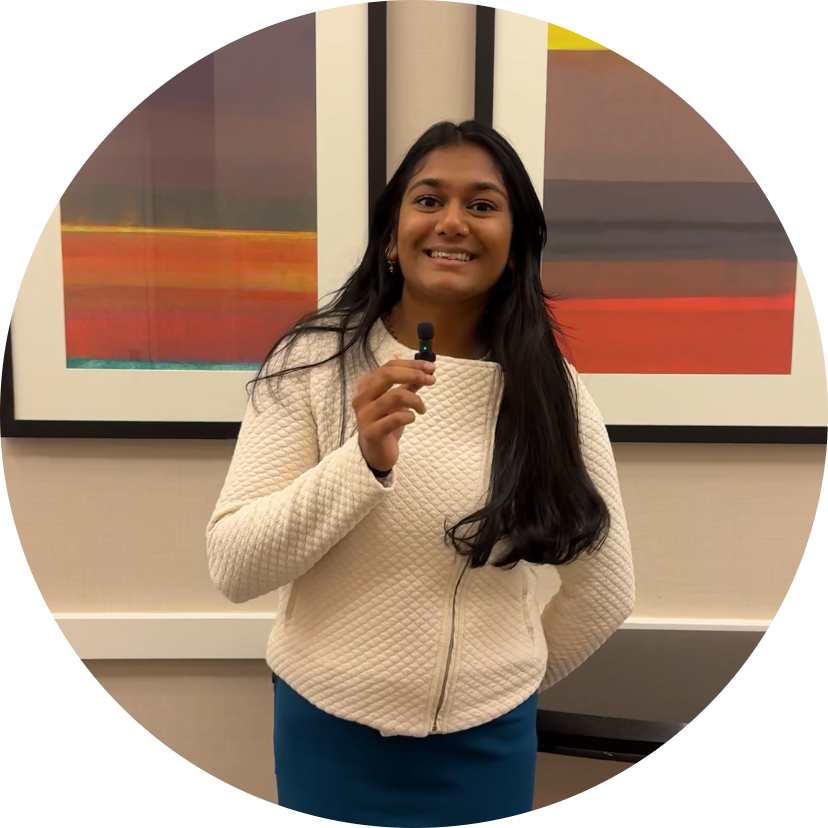 For Bhumi, the most common gap is a personal one:
“I feel like one thing that candidates really underestimate would be talking more about themselves. I see a lot of candidates that just talk about their resume but don’t really connect it to them and their story. So really prepare your story, your elevator pitch almost, like you would for a job interview: more about yourself and why that programme is a fit for you.”
A resume lists what you’ve done. It doesn’t explain how the pieces fit together, or why they lead to an MBA at this particular school. That’s what interviewers want to hear so don’t make the mistake of leaving that out.
The fix is the one you’d use for a job interview: a short, practiced pitch. In a minute or two, it should cover who you are, the thread that runs through your experience, and why this programme is your next step. Write it down, then say it out loud until it sounds like you and not like a script.
Also read: Ace the MBA Interview: Tips from the Admissions Side
Blind spot 2: The camera
 Adam points to a part of the process many candidates may not expect. At IE University, there are two interviews, and the first one doesn’t involve another person at all:
“So at least for us, it’s twofold. There are two interviews. There’s one that’s a one-way interview, so essentially you’re speaking to the camera. I always just tell our candidates to practice that. You’re going to be posed a question, and then you have to be able to answer it cohesively in about a minute or so. So practicing, practicing, practicing, because being in front of a camera is awkward. Even right now, I struggle with it sometimes. But that’s okay; with repetition, it gets easier.”
It’s a reassuring thing to hear from someone who speaks to candidates every day. A recorded, one-way format rewards preparation more than natural talent. A minute goes quickly, there’s no interviewer nodding along, and it’s easy to ramble. Practice with your phone: record an answer, watch it back, and try again. By the third or fourth take, you’ll hear the difference.
Blind spot 3: You’re asking questions too
When the live, two-way interview comes, Adam’s advice is simple:
“In the two-way interview, when you’re actually interviewing with someone, whether that’s the admissions team or someone from the school, just be yourself. They’re interviewing you to see if you’re a good fit for the programme, but at the same time, you’re also interviewing them to make sure that this is the right school and the right environment for you.”
Bhumi sees it the same way:
“Because just as much as we want to see you be a fit in our programme, we also want to make sure that our programme is a good fit for you. So just make sure you’re highlighting all of those key points about yourself, so we can make that connection and make sure we find you the perfect match.”
Coming in with your own questions shows you’ve done your homework, and it helps you find out whether this school really is right for you. Prepare two or three you can’t answer from the website.
Also read: CV, Resume, or LinkedIn: What Works Best for MBA Admissions in 2026
Your 15-minute practice plan
A quick routine from the Access MBA team, based on the experts’ advice:
- Write your pitch (5 minutes). Who you are, what connects your experience, and why this programme. Aim for about 60 seconds when read aloud.
- Record one answer (3 minutes). Pick a common question, such as “Why an MBA, and why now?”, and answer it on your phone camera in about a minute.
- Watch it back (3 minutes). Did you stay on point? Did you sound like yourself?
- List your questions (4 minutes). Write down three things you want to learn about the school in the live interview.
From awkward to a conversation
The interview is often the part candidates don’t know how to prepare for, and it’s the easiest to improve. With a little rehearsal, it becomes what it’s meant to be: a conversation between you and a school that might be the right fit.
Ask admissions teams your questions in person at Access MBA.


